

Red shield emblem with a gold star and glowing red outline on a white background

Blogs

How Much Do Radon Mitigation Systems Cost?

July 4, 2026

Share this article

Radon is a radioactive gas that occurs naturally in the environment but can accumulate in dangerous levels within homes and buildings. It’s a leading cause of lung cancer among non-smokers and poses a significant health risk when inhaled over prolonged periods. The importance of having a radon mitigation system cannot be overstated for both your health and peace of mind. This article aims to provide a comprehensive guide on the various cost factors involved in installing a radon mitigation system.

The Importance of Quality In Radon Mitigation Systems

Investing in a high-quality radon mitigation system is crucial for several reasons. First, the health risks associated with radon exposure include severe respiratory issues and an increased risk of lung cancer. A robust and reliable system effectively reduces these risks by lowering radon levels. Secondly, quality systems are long-lasting and more efficient in the long run, ensuring that you get a good return on your investment. Lastly, meeting legal requirements and guidelines is easier with a high-quality system, as it’s more likely to comply with local, state, or federal standards for radon mitigation.


At Utah Radon Defense, our systems are priced to offer the highest quality and most reliable system in the market. We believe that a radon mitigation system is not just an addition but an asset to your home. It’s an investment in long-term health and safety for you and your family. With this in mind, we ensure that each system we install meets the highest standards for effectiveness, durability, and compliance with legal guidelines. Rest assured, with Utah Radon Defense, you’re not just buying a product; you’re investing in peace of mind.

Types of Radon Mitigation Systems

There are primarily two types of radon mitigation systems—Passive and Active.

  1. Passive Radon Mitigation Systems: These rely on natural airflow and pressure differentials to reduce radon levels but are generally less effective than active systems.
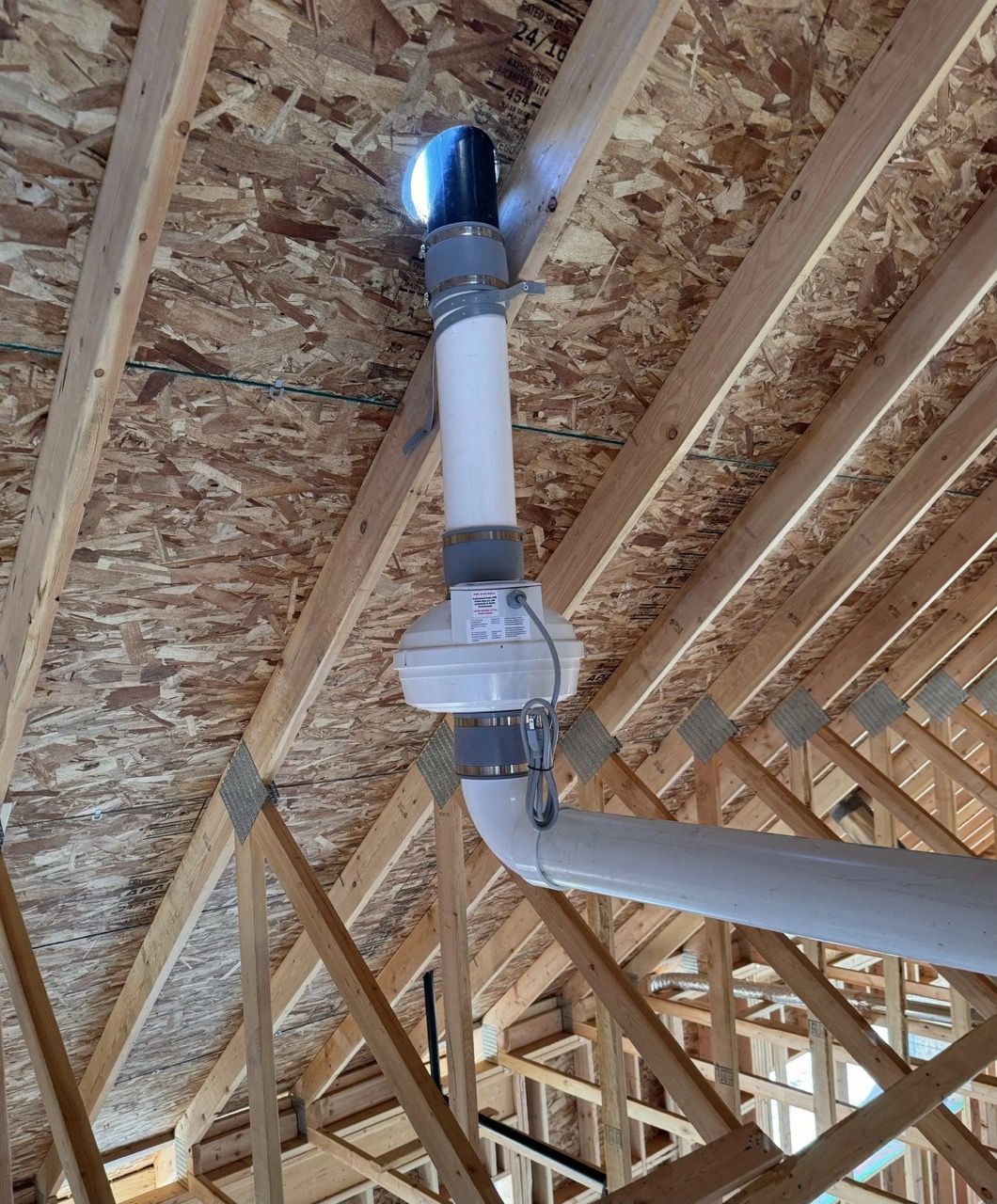
  2. Active Mitigation Systems: These systems use a fan to actively draw radon out of the property. They include:
  3. Sub-slab depressurization: Targets radon beneath the building’s foundation.
  4. Crawl space depressurization: Specific for homes with crawl spaces.

Cost Factors for Each Type Of Radon Mitigation System

In general, radon mitigation systems cost between $1,500 and $2,500. This range can vary based on several factors:

  • Initial equipment cost: High-quality systems tend to be more expensive.
  • Installation complexity: Complex systems require specialized skills, thus increasing the cost.
  • Size and layout of the property: Larger homes may need multiple mitigation points.
  • Local labor rates: Costs can vary based on the average labor rates in your area.
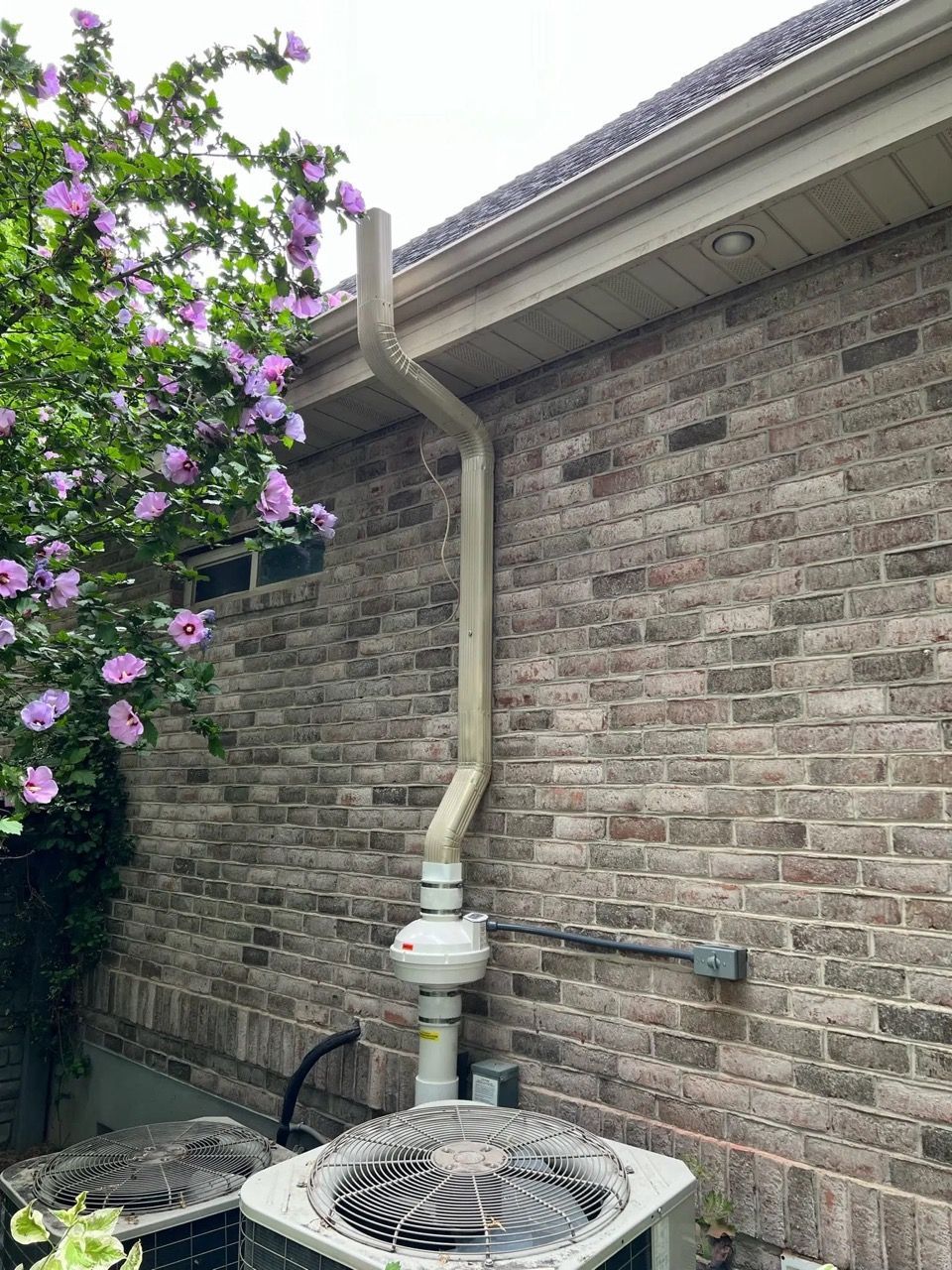
  • Interior vs Exterior Mitigation System: These have different requirements, labor and materials.

Additional Features and Their Costs

Some extra features may add to the overall costs:

  • Fan systems: Quality fans are essential for the efficiency of an active system.
  • Painting the system: For aesthetic purposes, painting can cost an additional $100-$300.
  • Monitors and alarms: These add-ons help maintain the system but can cost up to $200.
  • Sealing and caulking work: To make the system more effective, expect to be sure your system is sealed.sts:

Labor Costs

Labor costs can vary significantly based on the complexity of the installation and the professionals you hire. Hiring certified professionals, though potentially more expensive, ensures the system’s effectiveness and compliance with regulations.

Geographic Variations in Costs

The cost of installation can also vary based on your location. Traveling expenses for contractors and the influence of local regulations can affect the total cost. Additionally, the availability of specialized contractors can influence prices.

Operating Costs Of Radon Mitigation Systems

Consider the ongoing costs, such as electricity usage, which may add around $150 per year to your energy bill. Maintenance and repairs also contribute to long-term costs but investing in quality equipment can reduce these in the long run.

Conclusion

In summary, while the upfront cost is an important factor, focusing on the quality and long-term effectiveness of the radon mitigation system is crucial. It’s always recommended to consult a certified professional for a tailored estimate based on your specific needs.


Feel free to reach out to us for more guidance and options tailored to your situation.

Recent Posts

July 4, 2026
Connecting You with Trusted Radon Mitigation Experts Nationwide
July 4, 2026
Radon is the leading cause of lung cancer for non-smokers in the United States and the second leading cause of lung cancer for smokers. It is estimated that radon gas is responsible for as much as 14% of all lung cancers worldwide with higher rates among smokers. The Surgeon General and the US Environmental Protection Agency (EPA) recommend testing for radon gas along with mitigation when high levels are present. According to EPA recommendations, radon levels exceeding 4 picocuries per liter (pCi/L) pose a health risk and should be mitigated. The presence of radon gas at 4 pCi/L or above is concentrated in your home at levels 10 times higher than outdoor air levels. The EPA also notes levels below this measure can still pose some risk as does the World Health Organization, which recommends mitigation if radon levels exceed 2.7 pCi/L. Technically, no amount of radon gas levels are considered to be safe. Any presence of radon gas increases your risk of getting cancer. Even a reading of 1 piCi/L is equivalent to smoking 2.5 cigarettes daily. Radon exposure is responsible for 21,000 lung cancer deaths annually, including people that have never smoked. That’s more than twice the number of people that are killed in drunk driving accidents, four times those drowning, and eight times the number of people killed in house fires.

July 4, 2026
Radon is often called the silent killer because it is a colorless and odorless gas. Radon is radioactive carcinogen, and it’s dangerous. Radon occurs naturally as it is released from rock, soil, or water and can accumulate within your home. Exposure to radon increases your risk of getting lung cancer. It’s the number two cause of lung cancer overall in the U.S. and the number one contributor to lung cancer for those that do not smoke. Since you can’t see it, smell it, or taste it, the only way to detect it is with radon testing.