Red shield emblem with a gold star and glowing red outline on a white background

Blogs

January Is National Radon Action Month

July 4, 2026

Share this article

Take the first step to protect your home and health—a critical time to address the invisible danger of radon gas in your home or business.

What is Radon, and Why is it Dangerous?

Radon is a tasteless, odorless, and colorless radioactive gas produced by the natural decay of uranium in soil. It seeps into homes and businesses through cracks and openings, becoming the #2 leading cause of lung cancer after smoking. Don’t let what you can’t see put your family at risk.

Radon Testing is Essential

You can’t manage what you don’t measure. On average, 1 in 4 homes tests high for radon, but most people don’t even know their exposure level. Hiring professional radon testing ensures accurate and reliable results. Testing is fast, simple, and provides peace of mind. Schedule your professional radon test today and take control of your home’s safety.

Radon Mitigation is Your Only Solution

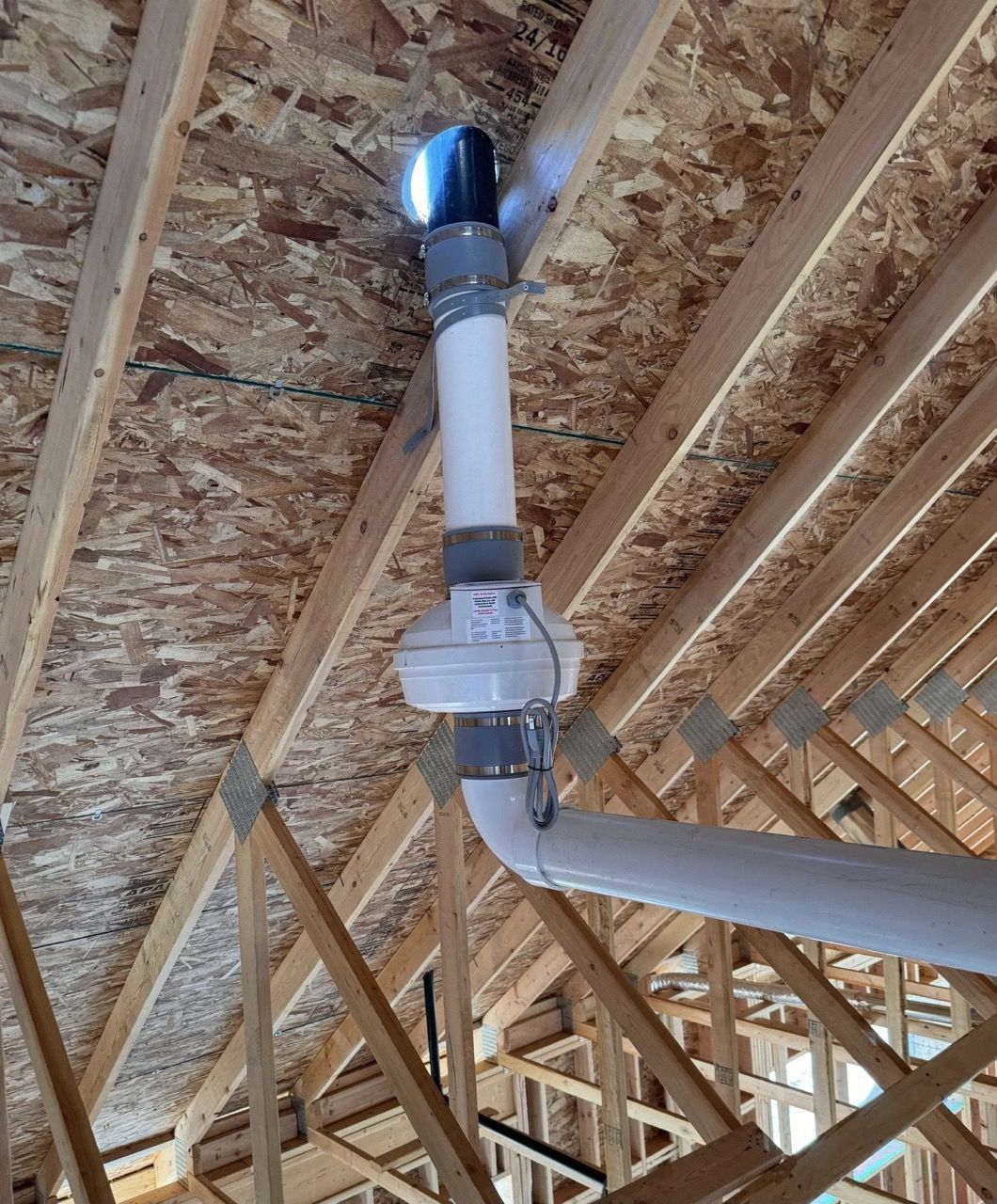
If high radon levels are found, professional mitigation is crucial. Certified experts can install systems like sub-slab depressurization to efficiently reduce radon levels in your home. Relying on professionals ensures effective results, providing peace of mind and a safer environment for your family.

Recent Posts

July 4, 2026
Connecting You with Trusted Radon Mitigation Experts Nationwide
July 4, 2026
Radon is the leading cause of lung cancer for non-smokers in the United States and the second leading cause of lung cancer for smokers. It is estimated that radon gas is responsible for as much as 14% of all lung cancers worldwide with higher rates among smokers. The Surgeon General and the US Environmental Protection Agency (EPA) recommend testing for radon gas along with mitigation when high levels are present. According to EPA recommendations, radon levels exceeding 4 picocuries per liter (pCi/L) pose a health risk and should be mitigated. The presence of radon gas at 4 pCi/L or above is concentrated in your home at levels 10 times higher than outdoor air levels. The EPA also notes levels below this measure can still pose some risk as does the World Health Organization, which recommends mitigation if radon levels exceed 2.7 pCi/L. Technically, no amount of radon gas levels are considered to be safe. Any presence of radon gas increases your risk of getting cancer. Even a reading of 1 piCi/L is equivalent to smoking 2.5 cigarettes daily. Radon exposure is responsible for 21,000 lung cancer deaths annually, including people that have never smoked. That’s more than twice the number of people that are killed in drunk driving accidents, four times those drowning, and eight times the number of people killed in house fires.

July 4, 2026
Radon is often called the silent killer because it is a colorless and odorless gas. Radon is radioactive carcinogen, and it’s dangerous. Radon occurs naturally as it is released from rock, soil, or water and can accumulate within your home. Exposure to radon increases your risk of getting lung cancer. It’s the number two cause of lung cancer overall in the U.S. and the number one contributor to lung cancer for those that do not smoke. Since you can’t see it, smell it, or taste it, the only way to detect it is with radon testing.