Red shield emblem with a gold star and glowing red outline on a white background

Blogs

What is Radon Gas?

July 4, 2026

Share this article

Where Does Radon Come From and Why Does It Matter?

Radon is the radioactive gas that forms when uranium goes through the natural process of breaking down over time. This dangerous gas becomes harmful metal atoms that interfere with our lungs and trachea when inhaled. This exposure is the second leading cause of lung cancer and has been linked to over 20,000 deaths annually. Every home has some level of radon.

Radon has become such a relevant health risk that government agencies are now beginning to enact new guidelines regarding radon. The United State’s EPA (Environmental Protection Agency) and The National Collaborating Centre for Environmental Health in Canada have determined safe levels of radon within a structure or home should be below 4.0 pCi/l in the US3 and 200 Bq/m3 in Canada4. Action is typically required to reduce radon exposure higher than these recommendations.

Determining Radon Levels

Since radon is undetectable to our senses; it is invisible, odorless and tasteless, it’s important to use specific testing to determine the level of this noxious gas. To complicate matters more, radon gas is directly related to weather, ventilation, and characteristics of a structure’s foundation. 


Because of the health risks, anomalies in location and sources, it is recommended that homes, schools, elder care facilities, daycare, and offices be tested for radon.

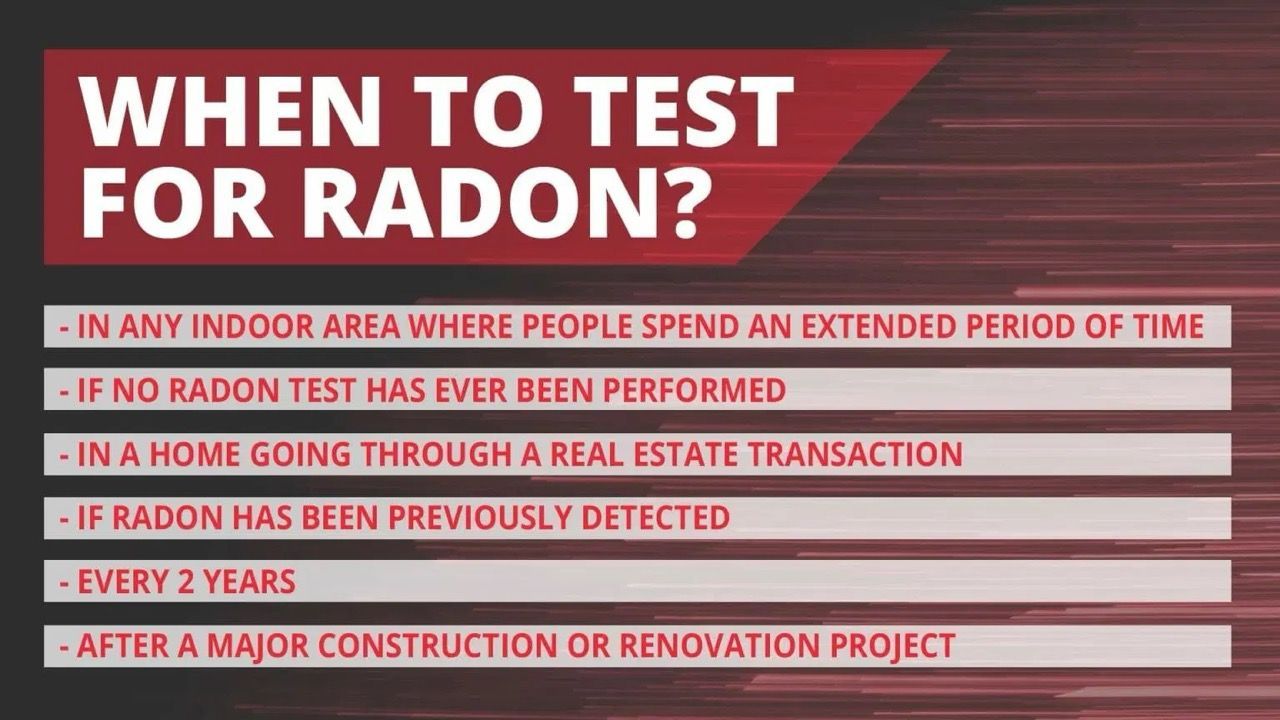
When To Test For Radon

It is important to measure the radon gas level in indoor air in any structure where people may spend an extended period of time especially if no radon test has ever been performed. Most states also recommend or require a home going through a real estate transaction be tested to mitigate risk of all parties. If you have detected a high level of radon and have taken measures to mitigate the gas, a follow up radon level check is highly recommended to make sure the system is working properly. The EPA also recommends testing every 2 years regardless of your test results prior5. Finally, it’s very important to test for radon after a major renovation or construction project is performed.


At Utah Radon Defense our licensed and experienced technicians are passionate about your indoor air. We have both the short and long term monitoring systems to not only accurately determine the amount of radon gas in your home or building but also the affordable mitigation systems to keep your loved ones safe. Our services include both commercial and residential structures. Did you know in Utah 1 in every 3 homes has elevated radon levels? Please contact us today to learn more or schedule your appointment. Your safety may depend on it.

Determining Next Steps After Radon Testing

Because both the US and Canada have determined levels of harmful concentration for radon gas, it’s important to take action after testing if levels are above the recommended amounts of 4.0 pCi/L (picocuries per liter of air) for US and 200 Bq/m3 (becquerels per meter cubed) for Canada. The concentration levels are determined by dividing the amount of radon gas by the amount of days the detector was monitoring. 


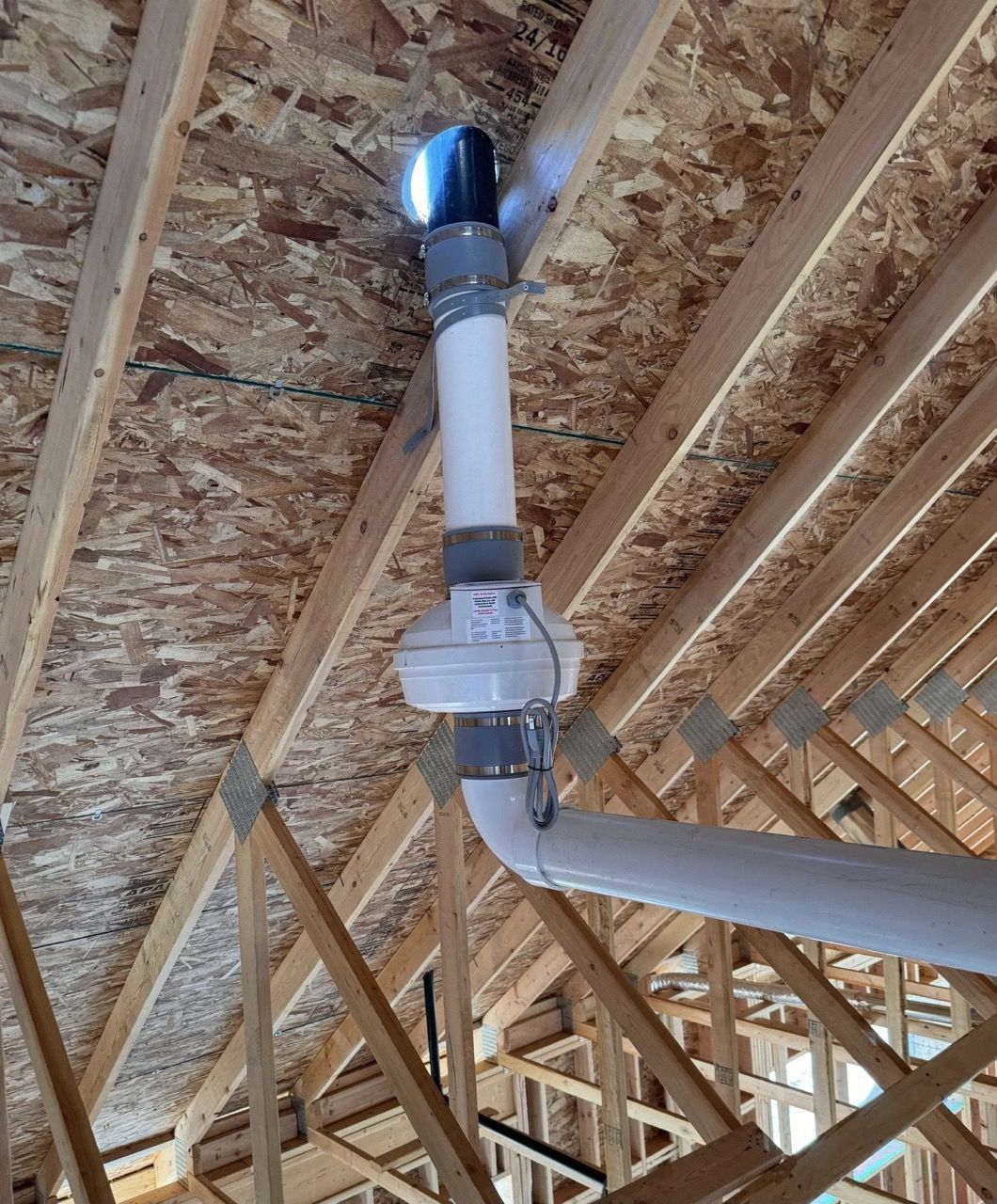
When radon gas levels are high, a mitigation system is recommended, and in some states required, to push the radon gas out and away from the base of the structure so indoor air quality is safer. Most mitigation systems have several components such as sealing around the perimeter of the structure and using a fan and piping system to distribute the gas outdoors where it is then diluted. 


Many states and provinces have their own rules and licensing regarding the installation of mitigation systems. For those that do not, it is recommended that consumers use the NRBB (National Radon Proficiency Program)6 or the NRSB (National Radon Safety Board for the US) or C-NRPP (Canadain National Radon Prodifciny Program for Canada)7 to find a qualified installer. National certification programs ensure that technicians have been updated on the latest products, recommendations, and equipment relevant to the safe mitigation of radon gas.


To ensure the safety of indoor air quality, it is important to test for this radioactive, dangerous gas. Radon is a naturally occuring result of radium and uranium decay in our soil. Radon gas can cause lung cancer2. Radon is only detectable through testing because it is invisible, tasteless, and odorless.

Recent Posts

July 4, 2026
Connecting You with Trusted Radon Mitigation Experts Nationwide
July 4, 2026
Radon is the leading cause of lung cancer for non-smokers in the United States and the second leading cause of lung cancer for smokers. It is estimated that radon gas is responsible for as much as 14% of all lung cancers worldwide with higher rates among smokers. The Surgeon General and the US Environmental Protection Agency (EPA) recommend testing for radon gas along with mitigation when high levels are present. According to EPA recommendations, radon levels exceeding 4 picocuries per liter (pCi/L) pose a health risk and should be mitigated. The presence of radon gas at 4 pCi/L or above is concentrated in your home at levels 10 times higher than outdoor air levels. The EPA also notes levels below this measure can still pose some risk as does the World Health Organization, which recommends mitigation if radon levels exceed 2.7 pCi/L. Technically, no amount of radon gas levels are considered to be safe. Any presence of radon gas increases your risk of getting cancer. Even a reading of 1 piCi/L is equivalent to smoking 2.5 cigarettes daily. Radon exposure is responsible for 21,000 lung cancer deaths annually, including people that have never smoked. That’s more than twice the number of people that are killed in drunk driving accidents, four times those drowning, and eight times the number of people killed in house fires.

July 4, 2026
Radon is often called the silent killer because it is a colorless and odorless gas. Radon is radioactive carcinogen, and it’s dangerous. Radon occurs naturally as it is released from rock, soil, or water and can accumulate within your home. Exposure to radon increases your risk of getting lung cancer. It’s the number two cause of lung cancer overall in the U.S. and the number one contributor to lung cancer for those that do not smoke. Since you can’t see it, smell it, or taste it, the only way to detect it is with radon testing.